




People work out for many different reasons: to get in shape, to stay fit, for fun, or for performance. And choosing the right fitness training method that fulfils all your physical goals is vital. All methods of training need to be specific to the individual performer and the activity. That’s why the workout programme you follow must be relevant to you and your sport, or the fitness target you’ve set yourself.
Each fitness training method is unique and has its own advantages and disadvantages. And certain types of training complement specific sports. Continuous training, for example, works well for marathon runners, so it’s important both athletes and coaches know what methods can enhance physical performance in their particular sport, and how best to incorporate them into their training programmes.
So what are the different fitness training methods, and how do you know which is best? To decide, it’s a good idea to try everything and see what gives you the most reliable results; experiment and learn in the process. So let’s take a look at eight conventional models of fitness training so you can decide which methods could work for you.

WHAT IS CONTINUOUS TRAINING GOOD FOR?
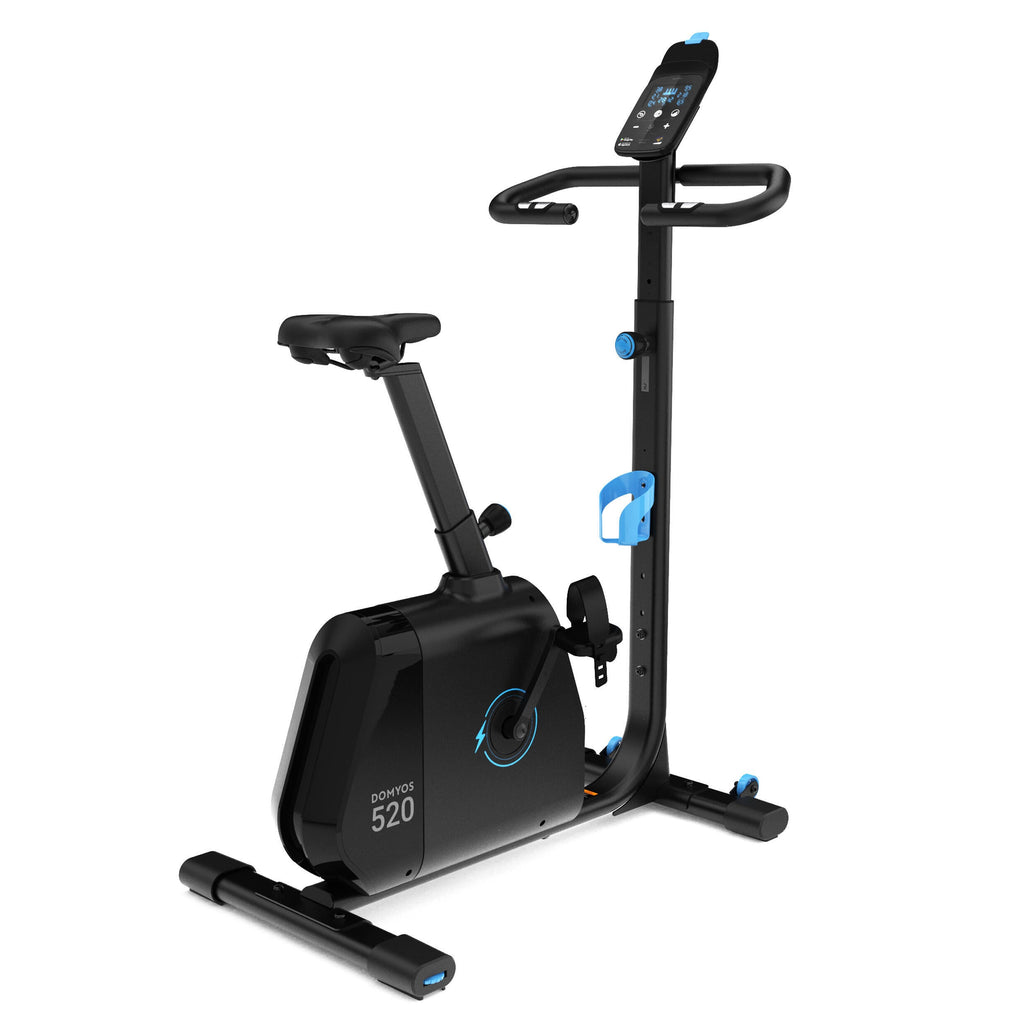
Continuous training requires your body to use oxygen to produce energy which means it will improve your respiratory system (your lungs and breathing) and also your cardiovascular system (your heart). And once you build your cardiovascular endurance, it becomes easier for your body to do everyday tasks without feeling out of breath.
Continuous training is recommended if you’re looking to lose weight. As this type of training uses large muscle groups, you will burn more calories even when it’s performed at low intensity. And if you're new to exercise, it’s also an excellent way of building a good level of cardiovascular fitness before moving onto more advanced methods of training such as high intensity interval training (HIIT).
If you’re training for an endurance event such as a marathon, it’s important to include continuous exercise in your training as it allows you to get in the all-important mileage needed for a base level of fitness which cannot be achieved through interval training.